
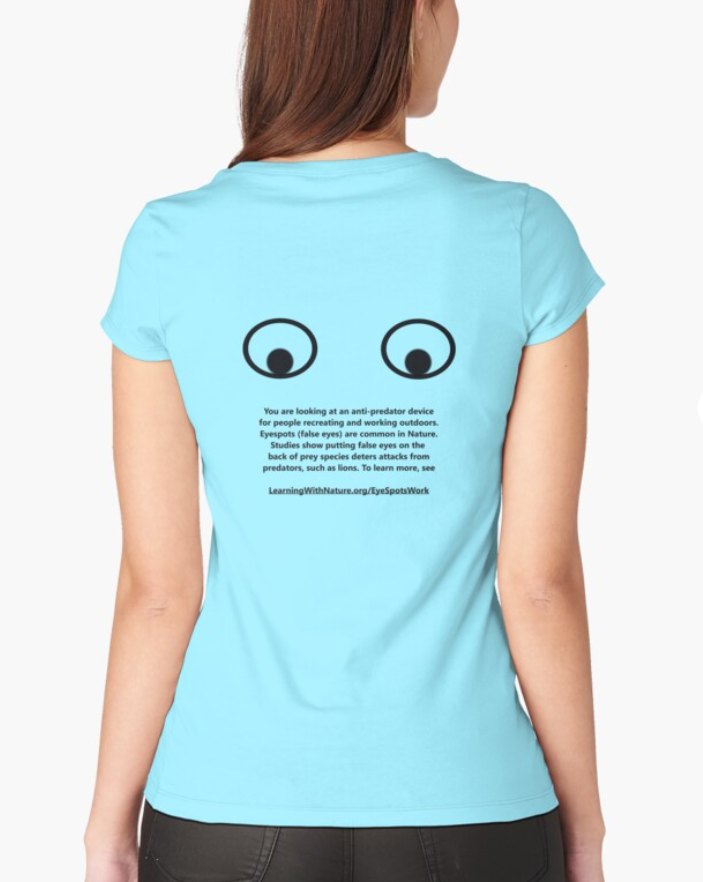
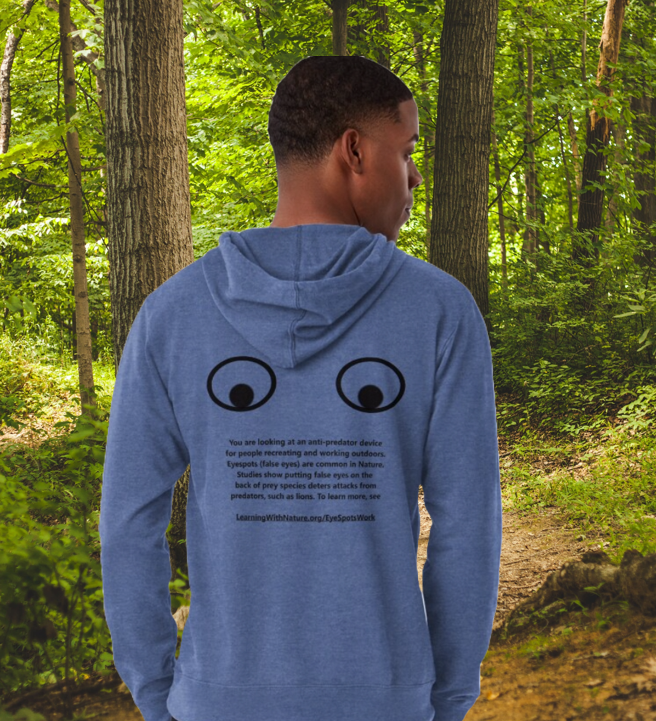
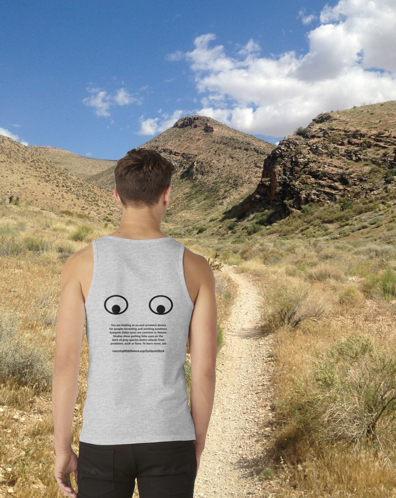
You may have seen people outdoors wearing one of our popular, bioinspired shirts or backpacks. The idea for this design comes from studies showing that eyespots painted on the back of animals reduces attacks from predators.
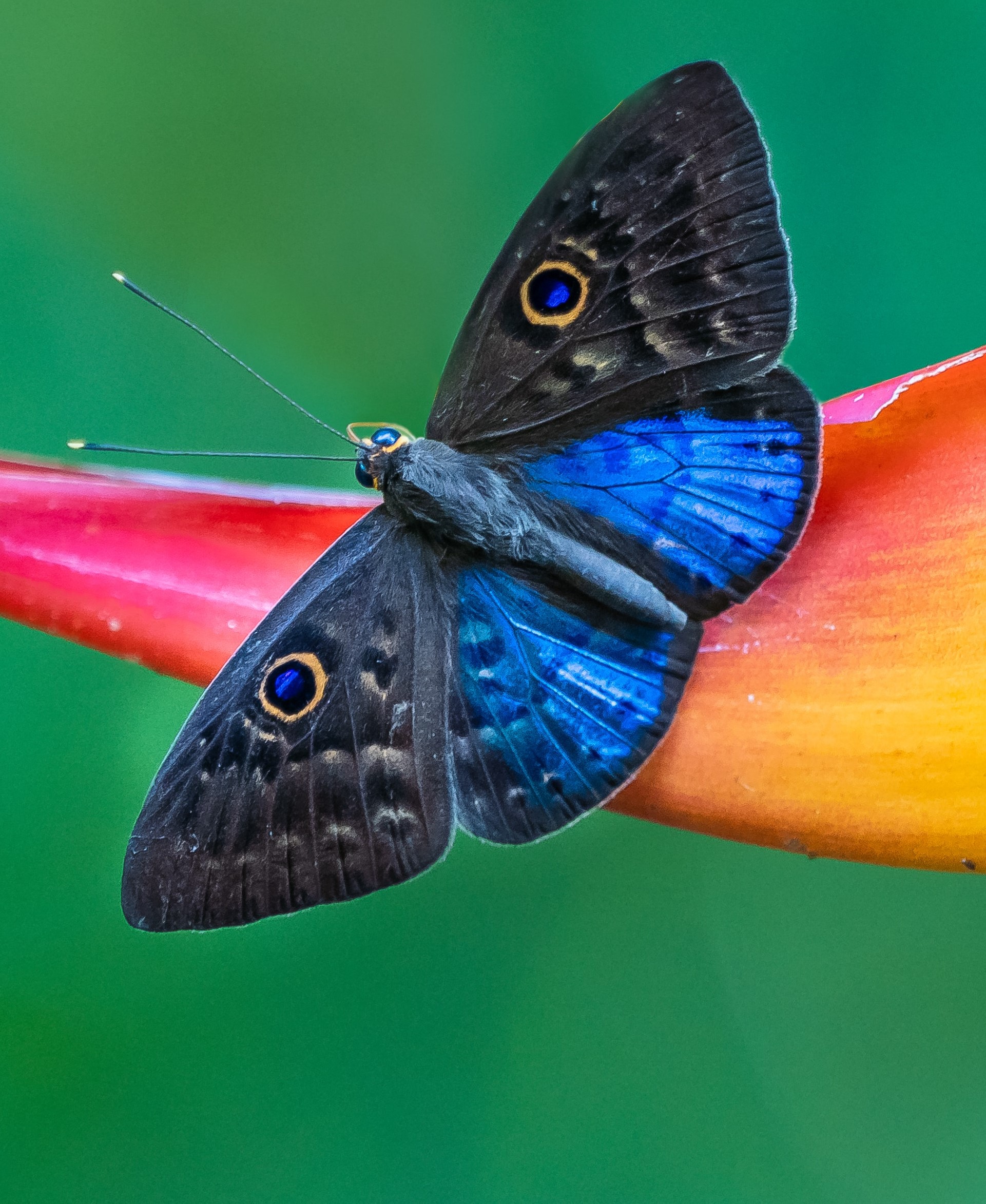
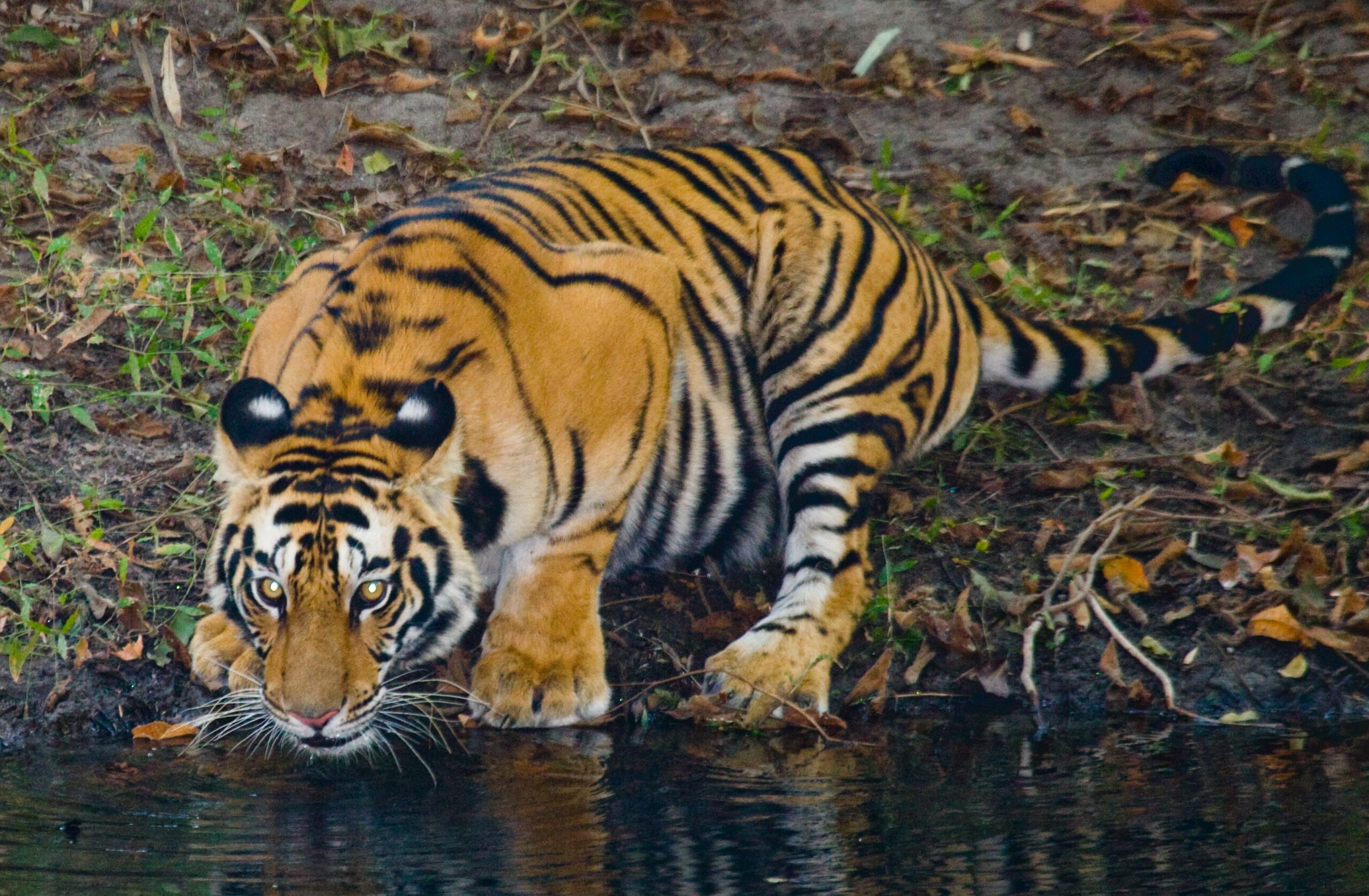
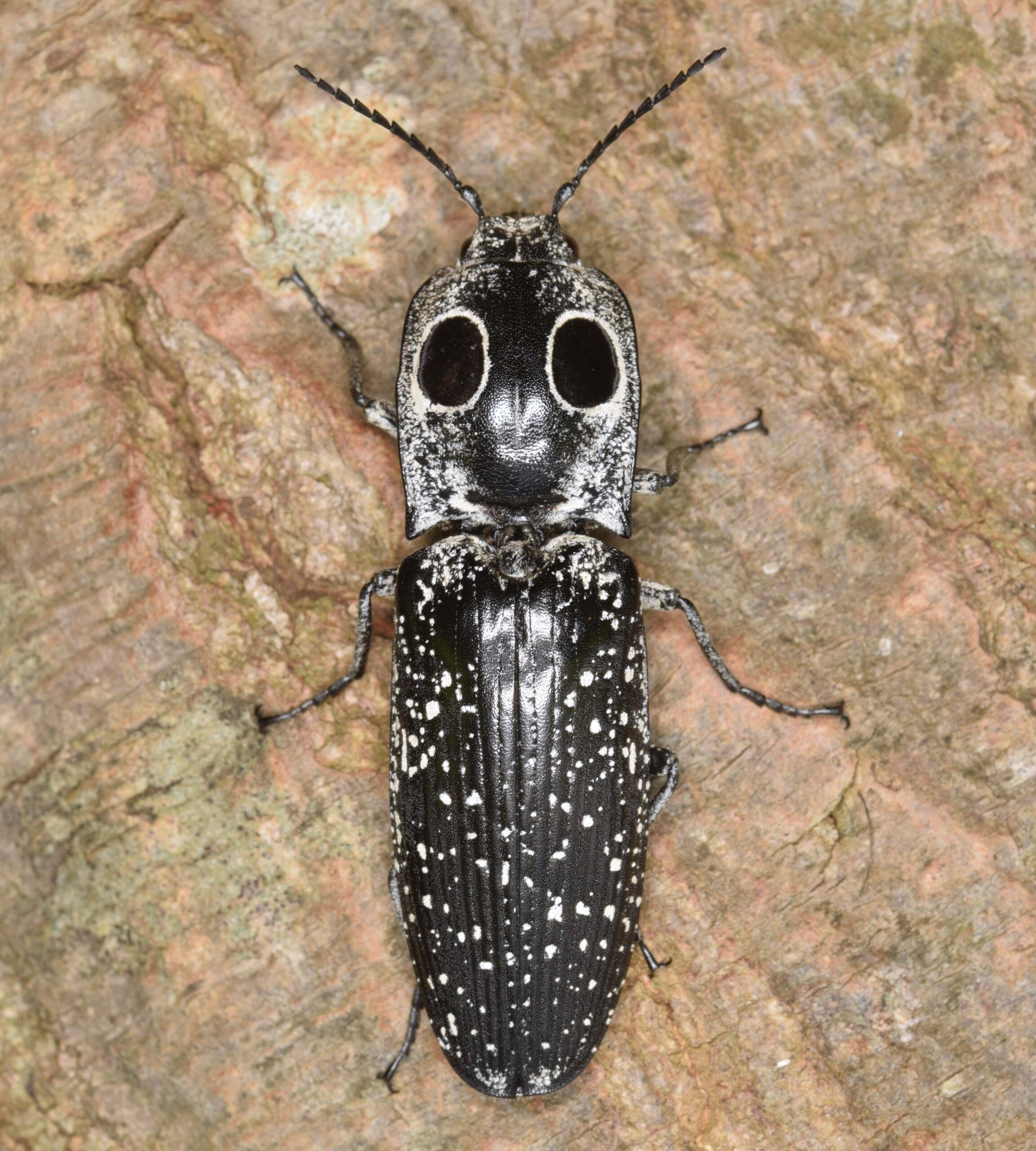
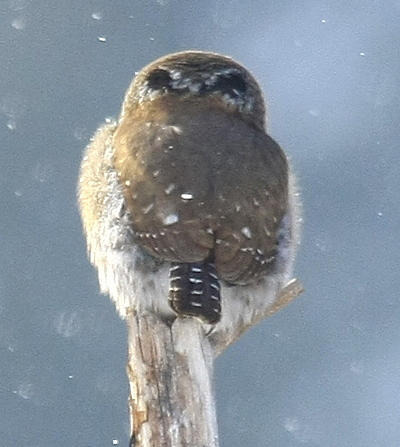
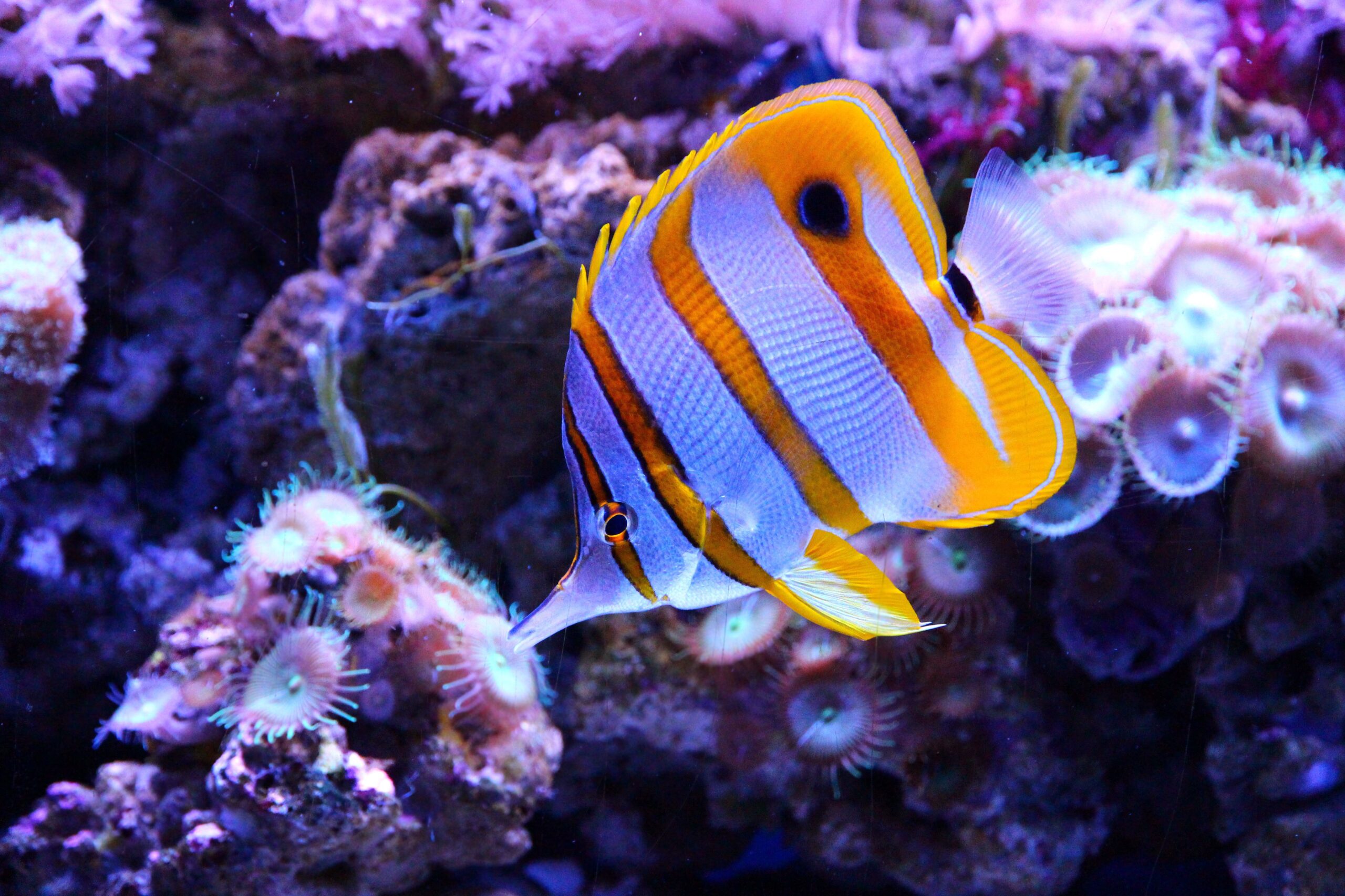
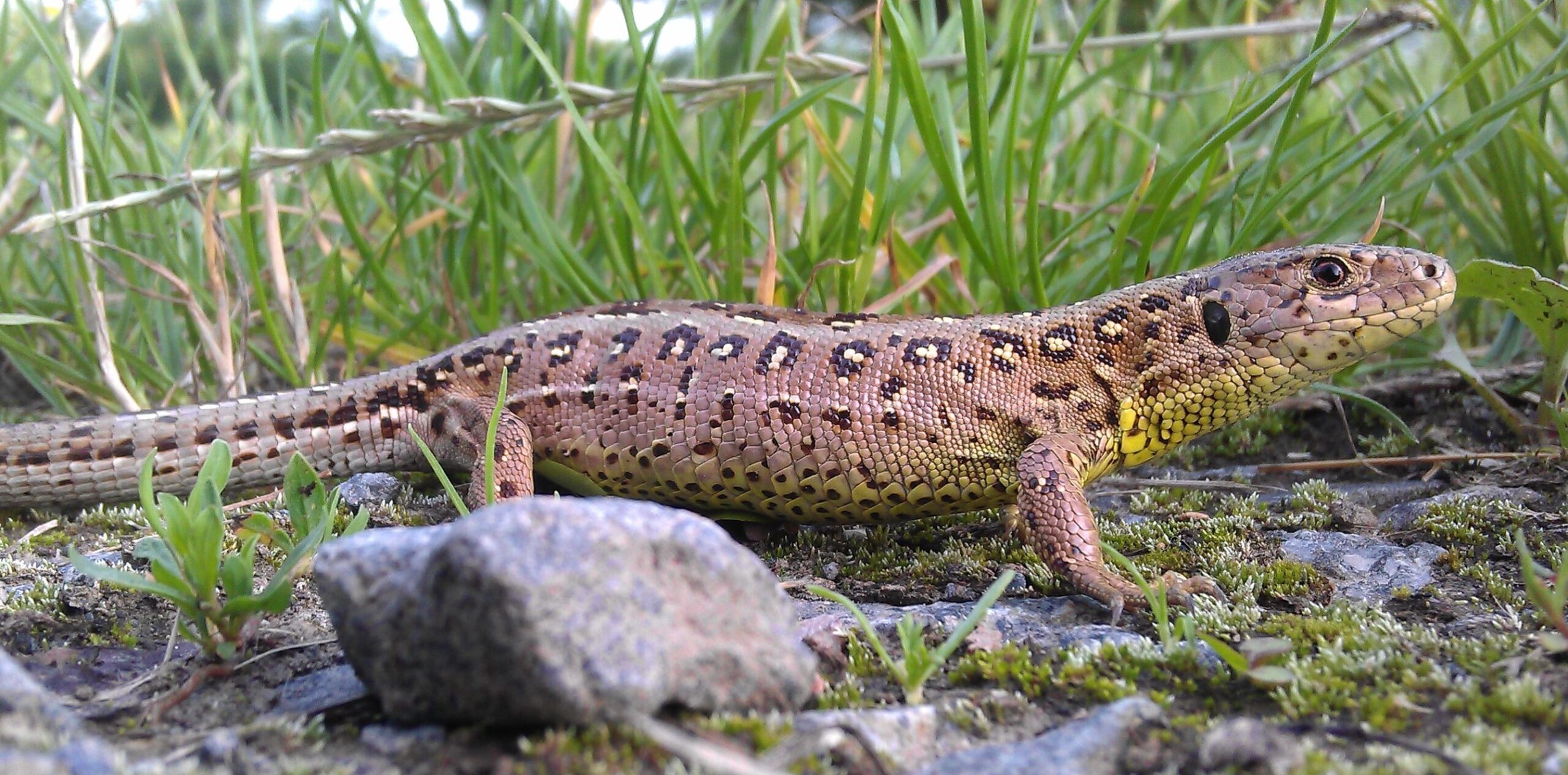
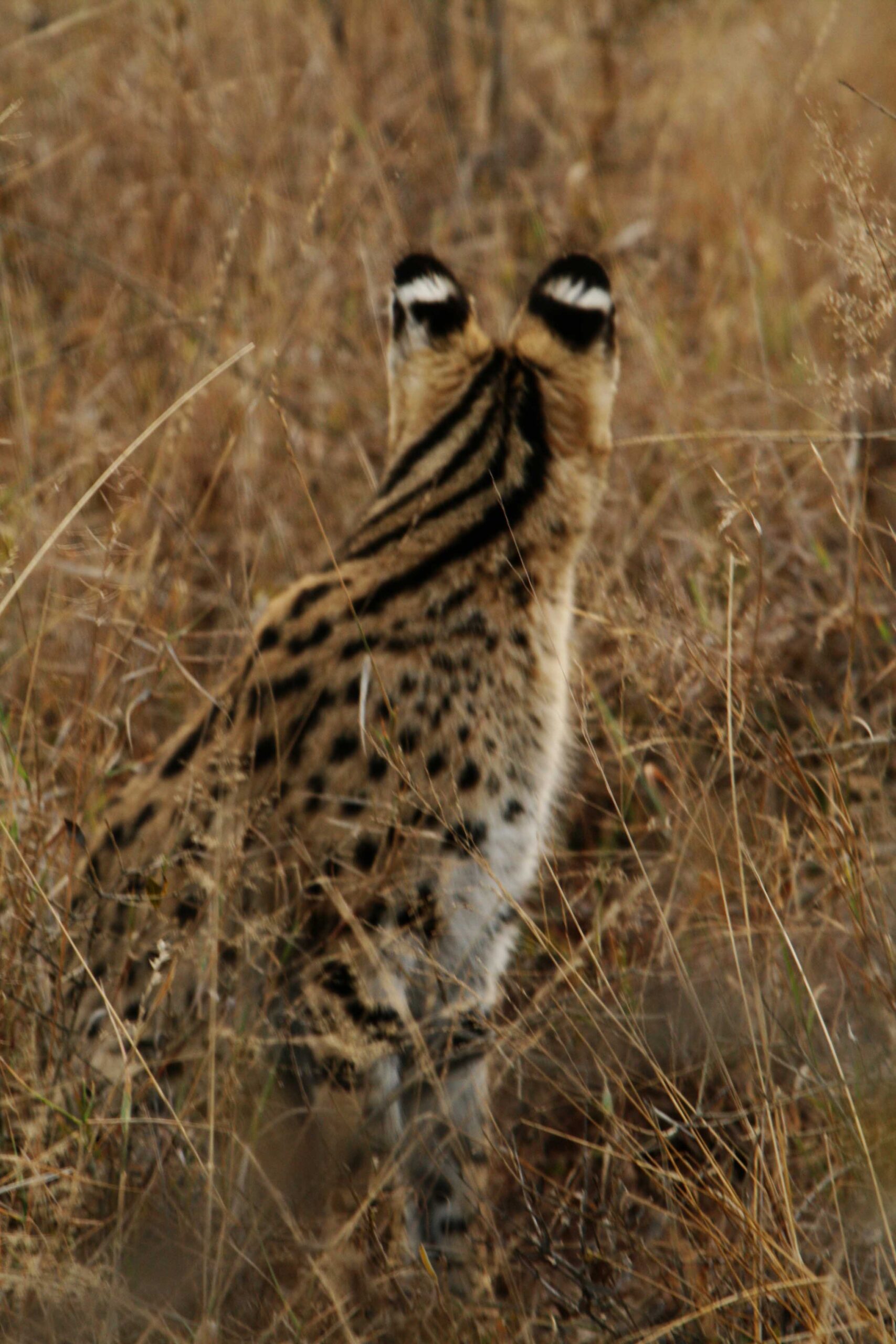
Eyespots (false eyes) are common in Nature. Many butterflies have them, for example, and they are found on the backs of the ears of many wild cat species. The theory is that false eyes emerged through natural selection by reducing aggressive encounters. Predators, assuming they have been seen, presumably decide they have a lower chance of a successful, “surprise” attack. Studies have shown that painting eyespots on the back of animals can reduce predation by an astonishing 15x or more! This one simple bioinspired idea has huge potential to reduce wildlife-livestock conflicts.
The Center for Learning with Nature has applied this idea to T-shirts and backpacks for people spending time outdoors. If you are hiking, biking, jogging, working, or otherwise outdoors where predators live, this shirt may help reduce the chance of an unpleasant encounter.
These items are sold and shipped through our partners at Redbubble.com. All proceeds from their sale go towards continuing our work. Please note: we are not making any claim that wearing this shirt will prevent an attack by a predator, and by clicking the link to our partners above, you are indicating you have read and accepted this disclaimer.
We would love to study the impact these shirts may have on predator behavior. If you are a researcher who would like to explore this topic, feel free to contact us.
Some additional information is below:
Video of cat predation behavior at zoos